


Total Snooker Classic Pro
1.012.00 Reviews
App Specs
- Version
- 1.10.0
- Updated On
- License
- $1.99
- Downloads
- 10,000+
- Developer
- Friendly Monster
- Categories
- Sports
- Platform
- Android
Screenshots
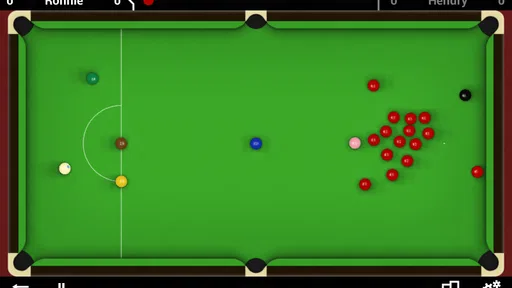
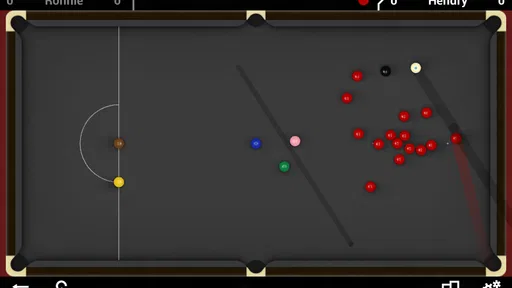
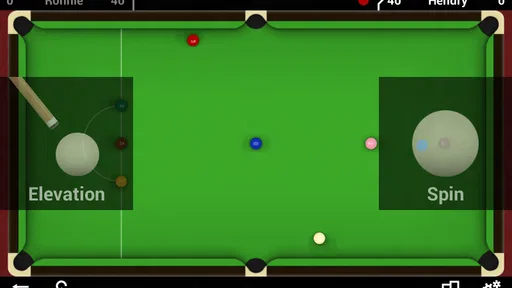
 Analysis by AppCompare
I spent time with Total Snooker Classic Pro as a compact sports game built around one clear idea: bringing a snooker table to an Android device and letting me play against either another person or the computer. That narrow focus is both its appeal and its biggest limitation. I did not have to learn a complicated menu system before taking a shot, but I also did not find the broad range of modes, presentation, and polish that newer mobile sports games often provide.
Created by Friendly Monster, the game belongs to an older generation of Android titles. It was released on April 26, 2012, and the current version is 1.10.0, with Android 7.0 or later required. The age shows in the overall experience, yet the basic attraction remains easy to understand: if I want a straightforward snooker session rather than a large career game, this is a small and focused option.
How a normal session feels from the first break
The most useful way to approach this game is to treat it as a quiet practice table rather than a complete snooker simulator. I can sit down, choose to play against the AI or compete with a friend, and concentrate on positioning the cue and planning the next ball. That makes it suitable for short sessions when I have a few minutes and do not want a long progression system demanding attention.
My baseline workflow was simple. I started by looking at the table before touching the shot controls, identified the easiest legal target, and then considered where the cue ball would likely finish. This matters more here than trying to play every shot aggressively. A careless pot may look successful at first, but leaving the cue ball in an awkward place can make the following turn much harder.
That habit also helps compensate for the limits of playing on a phone. On a physical table, I can move around, inspect angles, and judge distance naturally. On a touchscreen, I am working through a smaller view and relying on the game’s visual representation. Taking an extra moment before each shot makes the experience calmer and reduces the feeling that a missed ball came from rushing rather than poor judgment.
The friend-versus-AI choice gives the game two different uses. Playing with a friend is best when the phone can be passed between turns and both players are happy with a simple local match. It is not the same as an online community or a competitive ladder, so I would not choose it for remote competition. The local format is more appropriate for sharing one device during a break, on a journey, or while sitting together.
The computer opponent changes the mood. It gives me a repeatable way to practice shot selection without needing another player available. I found that useful for learning the table view and becoming more comfortable with pace. At the same time, anyone looking for a deeply strategic opponent should keep expectations measured. The game’s age and modest scope mean the AI is better understood as a convenient practice partner than as a complete replacement for a strong human player.
Worth Reading Before You Choose

EA SPORTS FC Mobile 26 Is a Bigger Football Game, but It Takes Time

Flipboard Shows What News Apps Must Do Beyond the Feed

Switching to Android Auto Means Rethinking Your Driving Routine

Google Calendar Makes a Crowded Week Easier to Manage

Ludo King Makes the Most of the Minutes Between Plans

Baby Panda World Brings Quick Play to Modern Phones, but Its Game Library Feels Busy
Who gets the most from the basic format
This is a reasonable fit for someone who already enjoys snooker and wants a small game that stays close to the table. It can also suit a casual player who wants to understand the rhythm of aiming, potting, and planning the next position without committing to a large sports package. The Everyone content rating makes it approachable for a broad audience, although younger players may still need help learning the rules and the difference between a safe shot and a risky one.
I would be more cautious recommending it to someone who expects a modern presentation, extensive customization, online matchmaking, or a long-term reward structure. The game costs $1.99, so it is not a free experiment, and that price makes the decision more personal: the focused table experience needs to be exactly what the buyer wants. A person searching for a visually rich pool or snooker game with frequent updates may be happier with a newer alternative.
Settings and habits that make the table easier to read
Before settling into regular matches, I recommend checking every available control and display option rather than immediately blaming the shot system. In an older mobile game, even a small change in how the cue is positioned or how the view responds can affect comfort. I would test these choices in a low-pressure game first, because changing several controls at once makes it difficult to know which adjustment actually helped.
The first setting worth considering is the one that controls how I aim. I prefer a method that lets me make small corrections instead of relying on quick swipes. Snooker rewards precision, and a control scheme that feels fast in a menu can feel imprecise when the cue ball is close to a cushion. I found it useful to make a few gentle alignment movements, pause, and only then commit to the shot.
Screen orientation and hand position also deserve attention. A phone held differently can change how much of the table my thumb covers. I try to keep my hand away from the most important line of aim, especially when the target ball and cue ball are close together. This sounds obvious, but it is one of the easiest ways to improve consistency without changing the game itself.
Another practical habit is to separate aiming from power. I first line up the shot, then decide how hard to strike it. Combining both actions in one hurried movement often leads to a shot that is pointed correctly but played too softly or too strongly. The game becomes more predictable when I deliberately use a two-step routine: direction first, strength second.
Players should also check how the game behaves when the device is interrupted. A phone call, notification, or accidental touch can break concentration during a turn. I prefer starting a session only when I can leave the game undisturbed, particularly when playing against the AI and trying to compare one attempt with another. This is not a special feature of the title, but it is a realistic part of using an older mobile game on a modern phone.
A repeatable practice routine
My most useful routine was to play several turns with one goal instead of trying to win every frame immediately. In one session, I focused on making clean contact with the target. In another, I concentrated on leaving the cue ball in an open area. This approach made mistakes easier to understand. A missed pot caused by poor alignment is a different problem from a successful pot that leaves no sensible next shot.
I also recommend resisting the temptation to use maximum power whenever the table looks difficult. Strong shots can feel satisfying, but they give me less control over the cue ball and make rebounds harder to predict. Softer shots are not automatically safer, yet they usually give me more time to think about position. The trade-off is that a gentle attempt may fail to reach the pocket or may leave the cue ball near a cushion.
For a friend match, agreeing on a relaxed pace helps. Passing the device immediately after every shot can make the game feel rushed, especially if the next player has not had time to inspect the table. We found it more enjoyable to let each person take a moment, make the shot, and then hand over the phone without turning the match into a race.
Faster patterns for better decisions
Once the controls feel familiar, the main improvement comes from reducing unnecessary decisions. I do not mean taking shots without thinking. I mean building a short checklist that I can repeat for every turn: target, contact point, power, and likely cue-ball destination. This keeps the game moving while preserving the strategic part that makes snooker interesting.
When several balls are available, I look for the shot that gives me the clearest next option rather than automatically choosing the nearest target. A slightly harder pot may be worthwhile if it leaves the cue ball in the middle of the table. A simple pot near a cushion can be a poor choice if it forces an awkward follow-up. The small screen makes this kind of planning especially important because I cannot rely on physical table awareness.
I also learned to use the cushions conservatively. Rebounds are tempting when a direct route is blocked, but they introduce another source of uncertainty. If I am playing to win rather than experimenting, I prefer a direct shot whenever the angle and power are manageable. Cushion attempts are better used as deliberate practice, especially against the AI, where a failed experiment does not spoil a friend’s match.
A useful everyday scenario is a short evening session after work. I can play one or two turns while waiting for something, but the game is more satisfying when I give it a focused block of time. Because it does not appear designed around constant rewards or a large progression loop, I can stop after a frame without feeling that I have left a task unfinished. That makes it a good small diversion for people who prefer self-contained play.
There is also a practical benefit to repeating the same aiming routine across sessions. I hold the device in the same general position, use slow alignment movements, and judge power only after the line is set. Over time, this makes the touchscreen feel less random. The improvement comes from my own consistency rather than from unlocking equipment or building a character, which may appeal to traditional sports-game players.
Where the AI and friend modes differ
Against the AI, I use each turn to test one idea. I might attempt a controlled safety shot, compare a soft hit with a stronger one, or study how much room I need for the next ball. This mode is the better choice when I am alone and want uninterrupted practice. It also removes the social pressure of making a mistake in front of another player.
Against a friend, I play more conservatively. A human opponent can take advantage of an open table, so careless positioning has a clearer cost. The local format works best when both players enjoy thinking through the table rather than expecting instant action. It is a nice fit for a shared-device match, but it will feel limited to players who normally play through online services or want opponents at any time.
The important trade-off is convenience versus depth. The AI is always available on the device, while a friend brings more unpredictability and personality. Neither mode turns the game into a full competitive platform. The title’s strength is that it gets me to the table quickly; its weakness is that the surrounding structure is not large enough to keep every type of player engaged for months.
Advanced limits that experienced players should understand
After the novelty wears off, the game’s age becomes more noticeable. The presentation is functional rather than luxurious, and the experience is centered on playing rather than building a long-term profile. I did not approach it expecting a modern career mode, a broad collection of tables, or a detailed online ecosystem. That restraint may be welcome for some people, but it also means the game has fewer ways to remain fresh once the basic controls are mastered.
The low public response is important context. The game has a 1.0 average from around 560 ratings, with roughly a dozen written reviews, and it has passed 10 thousand installs. Those figures do not tell me exactly why individual players were dissatisfied, but they do make me cautious about recommending an impulse purchase. The audience is relatively small, and the rating suggests that the experience has not worked well for many users.
I would not treat the rating as proof that every match is poor. A focused snooker game can still be enjoyable for the right person, especially someone who values a simple table and does not need modern extras. However, the numbers do tell me to keep expectations realistic. Before paying, I would ask myself whether I specifically want this older, compact style of game or whether I am really looking for a newer pool title with more content and stronger ongoing support.
Device compatibility is another point to consider. Android 7.0 or later is required, so very old phones and tablets will not be suitable. On a compatible device, the game’s simple scope should make it less intimidating than a large sports simulation, but an older release can still feel less comfortable on newer screens than a title designed for current hardware. I would pay attention to touch accuracy and screen size during the first session.
There is also a difference between learning snooker and simply playing a snooker-themed game. Total Snooker Classic Pro can help me practice patience, aiming, and basic position thinking, but it should not be my only source of formal rules or technique. A real table gives better feedback about speed, spin, cloth, and physical angles. A newer simulation may also offer more detailed control. This game is best viewed as a portable approximation and a casual practice space.
When another option is the better choice
I would choose a newer alternative if online competition is the main reason I want to play. I would also look elsewhere if I care about regular content, detailed player progression, polished visuals, or a wide selection of match formats. Those features can make a sports game more durable, and this title’s narrow design is unlikely to satisfy someone who wants a complete snooker career.
On the other hand, a large modern game can be excessive for a person who only wants to take a few shots without navigating seasons, currencies, or extensive menus. In that situation, the older design becomes an advantage. I can focus on the table and my decisions. The right choice depends less on whether the game is technically current and more on whether a direct, limited experience matches my expectations.
For experienced users, the best way to get value from it is to create personal rules. I might play a session where every shot must prioritize cue-ball position, then another where I practice difficult angles without worrying about the result. I can also use the AI as a controlled opponent and reserve friend matches for relaxed competition. These habits add structure without pretending that the game contains a larger training system than it actually does.
My verdict after settling into its rhythm
Total Snooker Classic Pro is a small, old-fashioned sports game that succeeds when I want a direct snooker table on Android and fails when I expect a modern platform around it. The core loop is easy to understand: aim, choose power, take the shot, and plan what comes next. Playing against the AI gives me a practical solo option, while the friend mode makes the phone suitable for a simple shared match.
I like the way its limited scope encourages me to build repeatable habits. Checking the controls, separating aim from power, studying the cue-ball destination, and using the AI for focused experiments all make the experience more rewarding. These are not flashy systems, but they are the details that helped me play more deliberately instead of treating every turn as a quick tap.
Still, the purchase requires a clear understanding of the trade-offs. At $1.99, it asks me to pay for a focused experience with an older release history, modest reach, and a very poor average rating. The Everyone age classification keeps the concept broadly accessible, but it does not change the fact that players seeking depth, online play, or modern presentation should probably compare other options first.
I would recommend it to a patient snooker fan who wants a straightforward offline-style table experience and is comfortable with an older Android game. I would skip it if I wanted a polished long-term sports package or a competitive online community. For the right friend, it can still provide enjoyable, thoughtful turns; for everyone else, the limitations will likely become more noticeable than the simple pleasure of making a clean pot.
Pros
- Realistic snooker physics make positional play feel rewarding.
- Multiple table and match settings add useful variety.
- Offline play works well for quick games without an internet connection.
- Simple controls are easy to understand for new players.
- Matches are generally smooth on compatible devices.
Cons
- The visual presentation feels dated compared with newer sports games.
- Advanced players may find the computer opponents predictable.
- Limited online features reduce its long-term competitive appeal.
- Some shots require precise touch controls and can feel fiddly.
- The free experience may include ads or purchase prompts.
FAQs for Total Snooker Classic Pro
What is Total Snooker Classic Pro?
Total Snooker Classic Pro is a snooker-focused mobile game designed for players who enjoy realistic table gameplay on Android and iOS devices. It typically combines aiming controls, cue-power management, spin options, match formats, and computer-controlled opponents. The experience is aimed at both casual players and snooker fans who want to practice breaks, improve positioning, and play complete frames without needing a physical table.
Is Total Snooker Classic Pro suitable for beginners?
Yes, the game can be suitable for beginners, although new players may need some time to become comfortable with the aiming and power controls. Starting with shorter shots and lower cue power makes it easier to learn how the balls react. Beginners should also practice controlling the cue ball, because positioning is often more important than simply potting the next ball.
Does Total Snooker Classic Pro offer realistic gameplay?
The game is built around the essential rules and mechanics of snooker, including aiming, shot strength, ball positioning, and turn-based play. Its realism depends partly on the device and selected settings, but players can generally expect a more deliberate experience than a basic arcade pool game. Small mistakes in power or direction can affect the following shot and change the outcome of a frame.
Can I play Total Snooker Classic Pro offline?
Total Snooker Classic Pro may be playable without a constant internet connection when you are using local or single-player modes, which is convenient for travel or areas with unreliable service. However, certain features, including online matches, advertisements, account-related functions, updates, or in-app purchases, may require connectivity. It is best to check the store listing and test the desired mode after installation.
Is Total Snooker Classic Pro free to download?
The availability and pricing of Total Snooker Classic Pro can vary depending on the Android or iOS store, region, and version of the game. Some editions may be free to install while displaying advertisements or offering optional purchases, whereas other versions may use a paid download. Before installing, review the store page for the current price, permissions, advertising information, and purchase conditions.


